
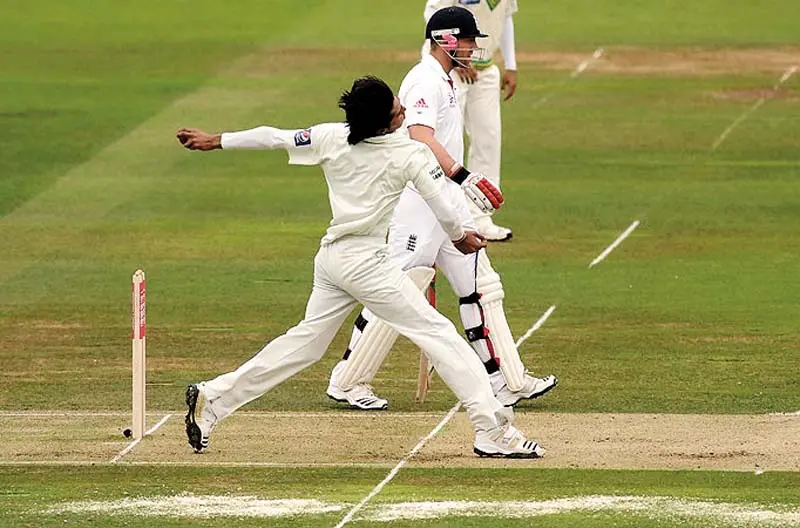
Picture Credits: The Express Tribune
Cricket prides itself on fairness, discipline, and respect for rules. That is why fixing scandals hurt the game more than most controversies. When a player fixes a match or a moment, fans do not just lose a result, they lose trust. Over the years, cricket has faced several fixing scandals, forcing administrators and supporters to ask an uncomfortable question which is should players involved in fixing ever be allowed to return to the game?
Understanding Fixing in Cricket
Fixing in cricket usually appears in two forms which are match fixing and spot fixing. Match fixing involves influencing the final result, while spot fixing focuses on specific actions like deliberate no-balls or slow scoring. The ICC Anti-Corruption Code treats both as serious offences because even small actions can impact global betting markets.
According to the ICC, fixing threatens the integrity of cricket at every level, from international matches to domestic leagues. That is why penalties often include long bans, fines, and permanent reputational damage.
Famous Fixing Scandals and Their Impact
High-profile cases such as the Hansie Cronje scandal in 2000 and the Pakistan spot-fixing case in 2010 exposed how deeply corruption could penetrate elite cricket. These incidents shocked fans and forced governing bodies to tighten anti-corruption laws.
Cricket boards responded with stricter monitoring, player education programs, and independent anti-corruption units. While these steps improved detection, they did not end debate about punishment and redemption.
Should Fixing Culprits Be Allowed to Return?
Supporters of lifetime bans argue that fixing is deliberate cheating, not a mistake made in the heat of the moment. They believe allowing offenders back sends the wrong message to young players and damages public trust.
Others argue that permanent exclusion ignores human error, financial pressure, and genuine remorse. Players like Mohammad Amir returned after serving ICC-approved bans, showing that strict punishment followed by rehabilitation can work.
The ICC currently allows banned players to return only after completing their full suspension and meeting strict conditions. This approach balances deterrence with accountability.
Protecting Cricket’s Future
Cricket needs strong punishment to protect its credibility, but it also needs clear pathways for reform. Zero tolerance for corruption does not always require zero forgiveness.
Ultimately, cricket survives on trust. Whether culprits return or not, the message must remain clear: fixing has consequences, and integrity will always matter more than talent.