
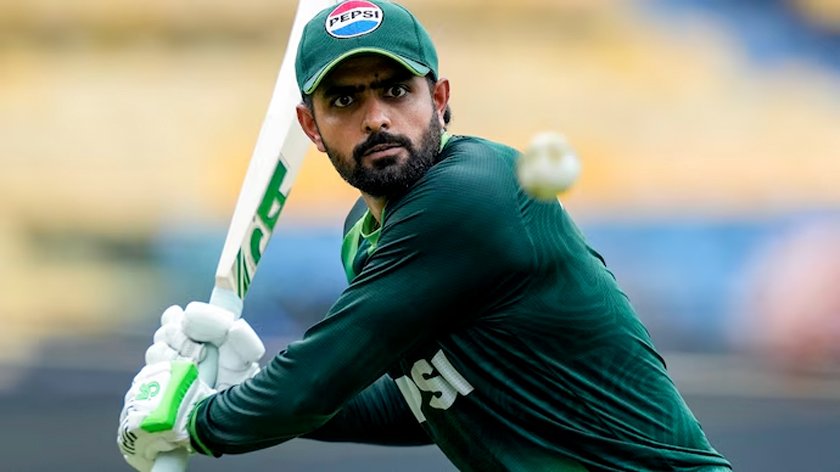
The Pakistan Cricket Board (PCB) has announced a 15-member squad for the upcoming three-match ODI series against Bangladesh in Dhaka, scheduled from March 11 to 15. The selection has already sparked debate, mainly because former captain Babar Azam does not feature in the squad.
The decision comes at a crucial time. Pakistan continue to shape their ODI unit ahead of the next ICC 50-over cycle, and recent performances clearly influenced the selectors. Babar, now 31, endured a difficult ICC Men’s T20 World Cup 2026 campaign. He scored just 91 runs in four innings, a return that fell short of expectations for a player of his stature. While T20 and ODI formats differ, selectors often look at overall rhythm and confidence. Right now, they appear to believe a reset could help both the team and the player.
Numbers Tell Part of the Story
Babar’s ODI record remains strong overall, but 2025 did not reflect his usual standards. He scored 544 runs in 17 innings at an average of 34 during the year. For many batters, that would represent a solid return. For Babar Azam, whose career average sits significantly higher, it signals a dip.
Selectors seem to have taken a logical route. Instead of relying on reputation, they have prioritized form and team balance. That approach aligns with how modern teams operate. International cricket rarely allows room for sentiment.
Still, it would be premature to frame this as a long-term exclusion. Pakistan have dropped senior players before, only to recall them once form returned. In elite sport, especially cricket, comebacks often begin with a temporary setback.
The Squad for Bangladesh
Pakistan will travel to Dhaka with the following squad:
- Shaheen Shah Afridi
- Abdul Samad
- Abrar Ahmed
- Faheem Ashraf
- Faisal Akram
- Haris Rauf
- Hussain Talat
- Maaz Sadaqat
- Mohammad Rizwan (wicketkeeper)
- Mohammad Wasim Jr.
- Muhammad Ghazi Ghori (wicketkeeper)
- Saad Masood
- Sahibzada Farhan
- Salman Ali Agha
- Shamyl Hussain
The squad signals a blend of experience and experimentation. Shaheen Shah Afridi and Haris Rauf bring pace and big-match exposure. Mohammad Rizwan adds stability and leadership in the middle order, along with reliability behind the stumps. Meanwhile, younger names such as Maaz Sadaqat and Shamyl Hussain suggest the selectors want to widen the talent pool.
Bangladesh conditions often reward spinners and disciplined seamers who can vary pace. Including Abrar Ahmed and Faisal Akram indicates the management understands that reality. Pakistan have struggled at times on slow subcontinental pitches, so adaptability will matter more than raw speed.
A Calculated Risk Before Bigger Goals
Dropping a former captain always creates noise. Fans react quickly, and headlines travel even faster. However, international teams frequently make bold calls when preparing for major tournaments. If Pakistan want to build momentum for upcoming global events, they need clarity about roles and combinations.
Form matters. Fitness matters. Timing matters. Right now, the selectors appear to believe that resting or dropping Babar Azam gives others an opportunity while allowing him space to rediscover his best rhythm.
Cricket careers rarely follow a straight line. Even elite batters endure lean patches. What defines them is how they respond. Babar still possesses the technique and temperament that once made him one of the most consistent ODI performers in the world. If anything, this decision may sharpen his focus.
What to Expect in Dhaka
The three-match ODI series in Dhaka offers Pakistan a practical test. Bangladesh remain competitive at home, particularly in white-ball cricket. Slow surfaces, humidity, and vocal crowds create a demanding environment.
Pakistan’s bowling attack looks capable of adapting. The bigger question lies with the batting order. Without Babar anchoring the top order, the team must reorganize responsibilities. Rizwan could move up. Younger batters might take on larger roles. That uncertainty brings risk, but it also brings opportunity.
In the end, selection decisions rarely satisfy everyone. They aim to serve the team’s direction, not public sentiment. Pakistan have made their choice. The Bangladesh tour will reveal whether that choice pays off.
For now, one thing remains certain: when a big name sits out, every run scored — or missed — will face closer scrutiny than ever.