
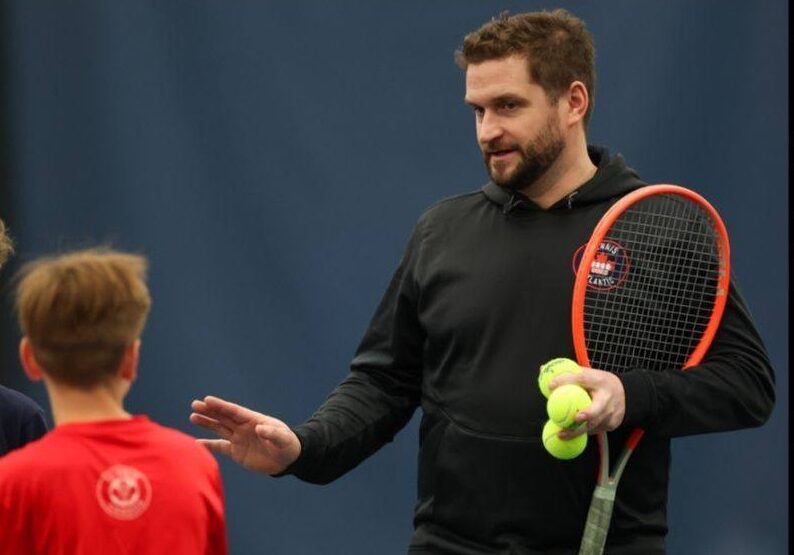
(Photo Credits: Steve Mahar’s Facebook)
There are coaches, and then there are builders.
In the world of racquet sports in Canada, Steve Mahar belongs firmly in the latter. Not because of loud headlines or constant spotlight, but because of something far more lasting. Results. Relationships. And a quiet, relentless commitment to development that has stretched across decades, cities, and now, even sports.
For over 20 years, Mahar has lived the life many only flirt with. From Mount Pearl to St. John’s, through Fredericton, Toronto, and Halifax, his journey has been one of movement, adaptation, and impact. Along the way, he has developed multiple number one Canadian junior tennis players, quietly shaping the future of the sport in this country.
But like most meaningful journeys, it did not begin with a grand plan. It started with a summer job.
“I loved teaching people how to get better at a game I loved,” Mahar recalls. “Then I became addicted to the job and chased it for years.”
At just 16 years old, working as a tennis instructor in Mount Pearl, he found something many spend a lifetime searching for. Purpose. Not in trophies or rankings, but in progress.
“Watching someone improve so much, right in front of your eyes, knowing that it’s because of your work is the best feeling there is.”
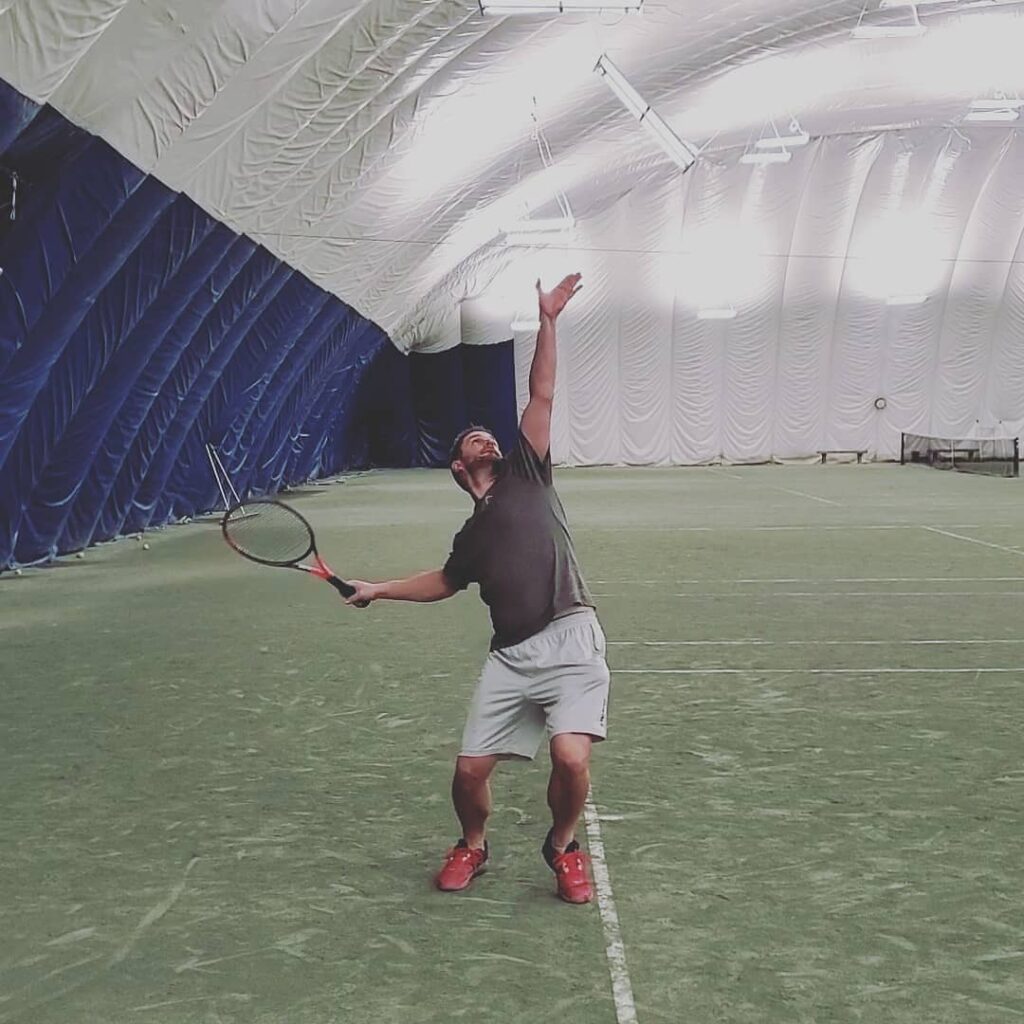
That feeling never left. If anything, it grew. He jokes about telling his friends back in 2001 that he could do this forever. It turns out, he meant it. What began as passion quickly evolved into something deeper. High performance development. National level results. A reputation built not just on knowledge of the game, but on understanding the people who play it.
Because for Mahar, coaching was never just about tennis.
“When you are a highly certified and experienced coach, you realize that you are not coaching a game, you are coaching a person.”
That philosophy would become the backbone of his career. Across different cities, different systems, and different types of athletes, Mahar developed a simple but powerful belief.
“You can learn something from anyone. The beginner child to the top national coach all have something to teach you, if you are really paying attention.”
It is this openness that shaped him. Every club had its own culture. Every player brought something unique. And instead of forcing a system, Mahar absorbed, adapted, and refined. The result was not just success. It was consistency.
While many coaches specialize early and stay within narrow lanes, Mahar’s exposure extended beyond tennis. He dabbled in badminton, table tennis, and squash. Not as distractions, but as extensions of understanding. That broader view would eventually lead him somewhere unexpected.
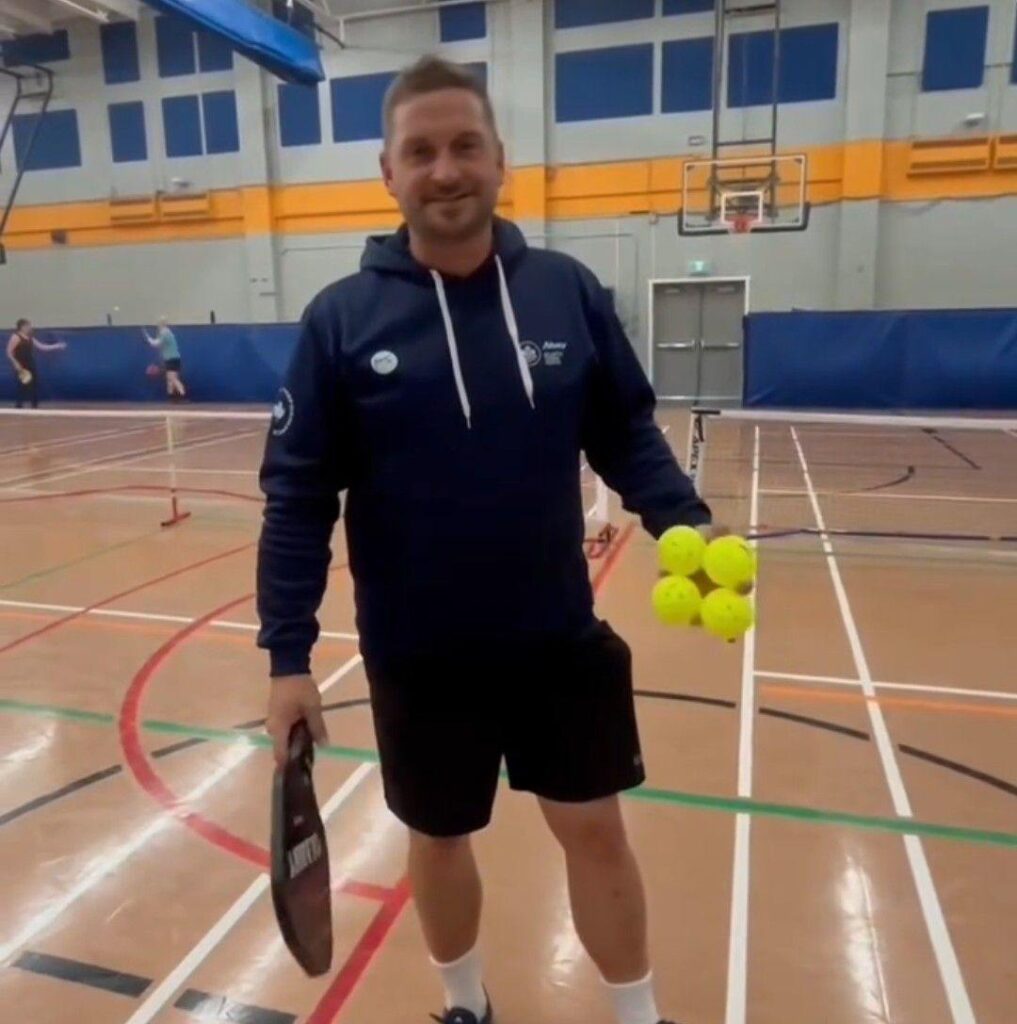
“Pickleball“
A sport that has exploded across Canada, particularly in Newfoundland and Labrador, found an unlikely but perfectly suited architect in Mahar. After decades in tennis, the transition might seem like a shift. To him, it felt natural.
“I was exclusively tennis in terms of coaching until last year. And now I realize how easily transferable my skills are to pickleball.”
The differences exist. The strokes are more compact. The reactions quicker. The control more delicate at higher levels. But the foundation remains the same. Timing. Reading the ball. Footwork. Decision making. And above all, mindset.
“It’s about how you get your message into their brain, and ensuring they are feeling success. The game and technique are secondary.”
That ability to translate across sports speaks to something deeper. Mahar is not defined by tennis, even if he has mastered it. He is defined by coaching. And coaching, at its highest level, is human.
Ask him about his greatest achievement, and there is no mention of rankings or titles.
“It’s the relationships that you build along the way. Co workers, colleagues, the players and their families.”
It is a perspective often overlooked in high performance sport, where outcomes dominate narratives. But in Mahar’s world, impact is measured differently. Perhaps that is why his return to Newfoundland carries added significance. Because while pickleball is booming, the infrastructure is not keeping pace.
“The challenge is court time,” he explains. “If 30 more indoor courts were built in the St. John’s area tomorrow, they would be constantly full within a year.”
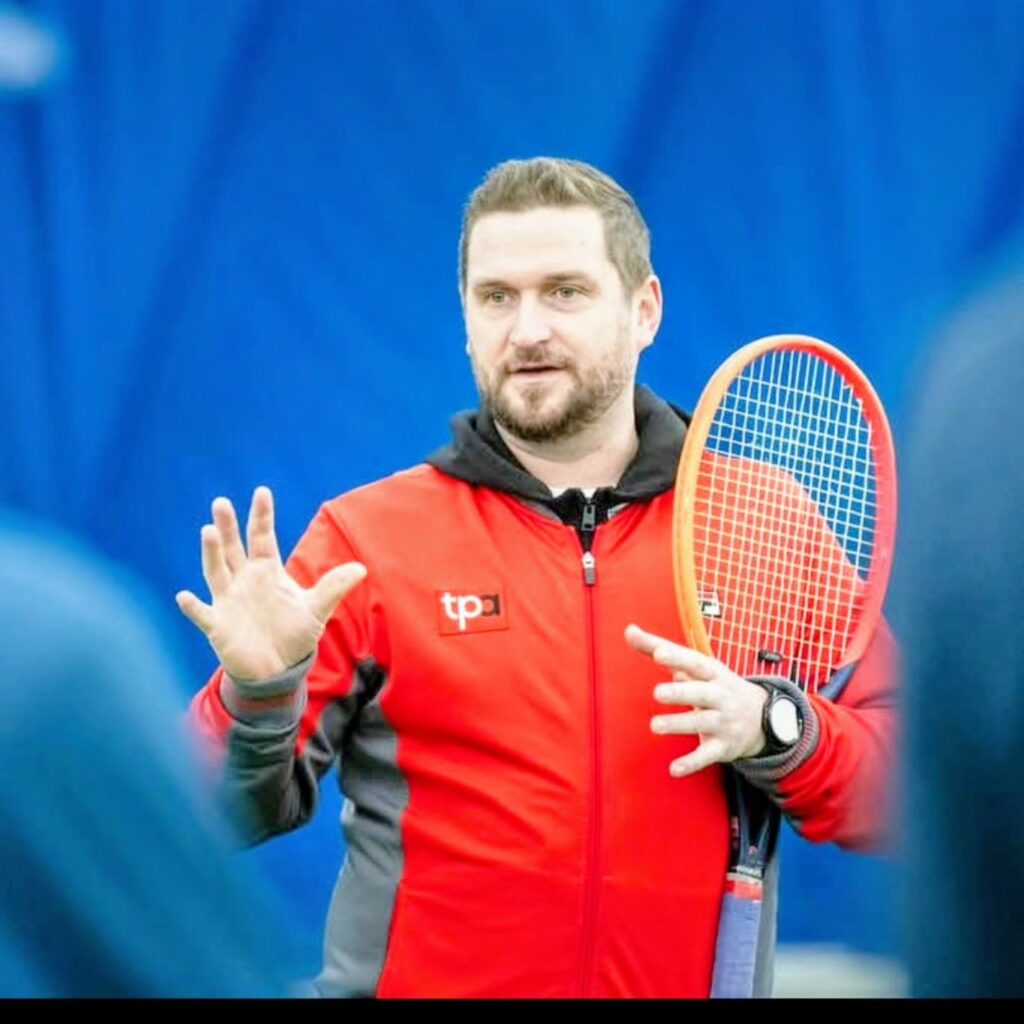
It is a simple observation, but one rooted in experience. Mahar has seen growth cycles before. He understands what happens when momentum meets limitation. And yet, despite not being formally tied to any association, he continues to build.
“I think it just gives me the freedom to do it how I want to do it, and use my experience and knowledge without limits.”
There is no resistance to collaboration. In fact, quite the opposite.
“I am more than willing to work with anyone. That is how smaller populations can overtake larger ones.”
It is a vision that extends beyond personal success. Mahar has already played a role in helping Atlantic Canada punch above its weight in tennis. Now, he wants to do it again with pickleball. And for those just picking up a paddle for the first time, his message is simple.
“It’s a simple matter of getting started. Then you meet new friends and players, and then you’re off.”
Because at its core, whether it is tennis or pickleball, elite development or beginner sessions, Mahar’s story has always been about growth. Growth of players. Growth of communities. Growth of sport.
“I want the province to be a leader in the country,” he says. “And I want to be a leader in that endeavor.”
In an era where attention often shifts quickly, Steve Mahar represents something steady. A coach who never really left the court. Just expanded it. And now, as pickleball rises and Newfoundland searches for its next sporting identity, one thing is clear.
The foundation is already in place.
Chase your dream, no matter how small or how big, you will succeed….
Congratulations Steve on your success.
Congrats, Steven! You are a man of many talents (sport player, coaching, singing, etc.). I love your beautiful heart! Keep catching your dreams! 💕💞
I have worked with Steve. It is rare that you meet someone later in life that you know will be an inner circle friend later in your game. I will know Steve and continue to be in his orbit for the rest of my game of life. Coaching is a vocation that is as admirable and equal to being an educator. Long hours for a lifetime. Maybe few laudable students in a lifetime – but the joy of creating and improving players that enjoy their sport every day. I have had the unique and fun experience of having been able to work in many industries building small enterprises. My experience has also been about the joy of coaching, some standout successes in coaching others along the way, and; the ability to pivot. Much respect to Steve for observing the phenomenal opportunity that Pickleball represents; the engagement take up globally; and making the entrepreneurial decision to extend his innate coaching talent to build a business and serve those looking for an enjoyable and competitive sport that appeals to all ages. I look forward to taking in watching an upcoming match with you of one of Canada’s up and coming juniors that your coaching played a meaningful role in shaping. I picked up a tennis racket for the first time in my life this winter while traveling and tennis coaching will always be part of your DNA and work – I look forward to you making me better for next winter’s play. You are a coach yes; and now an entrepreneur. Keep a strain on – build it out. Andrew.